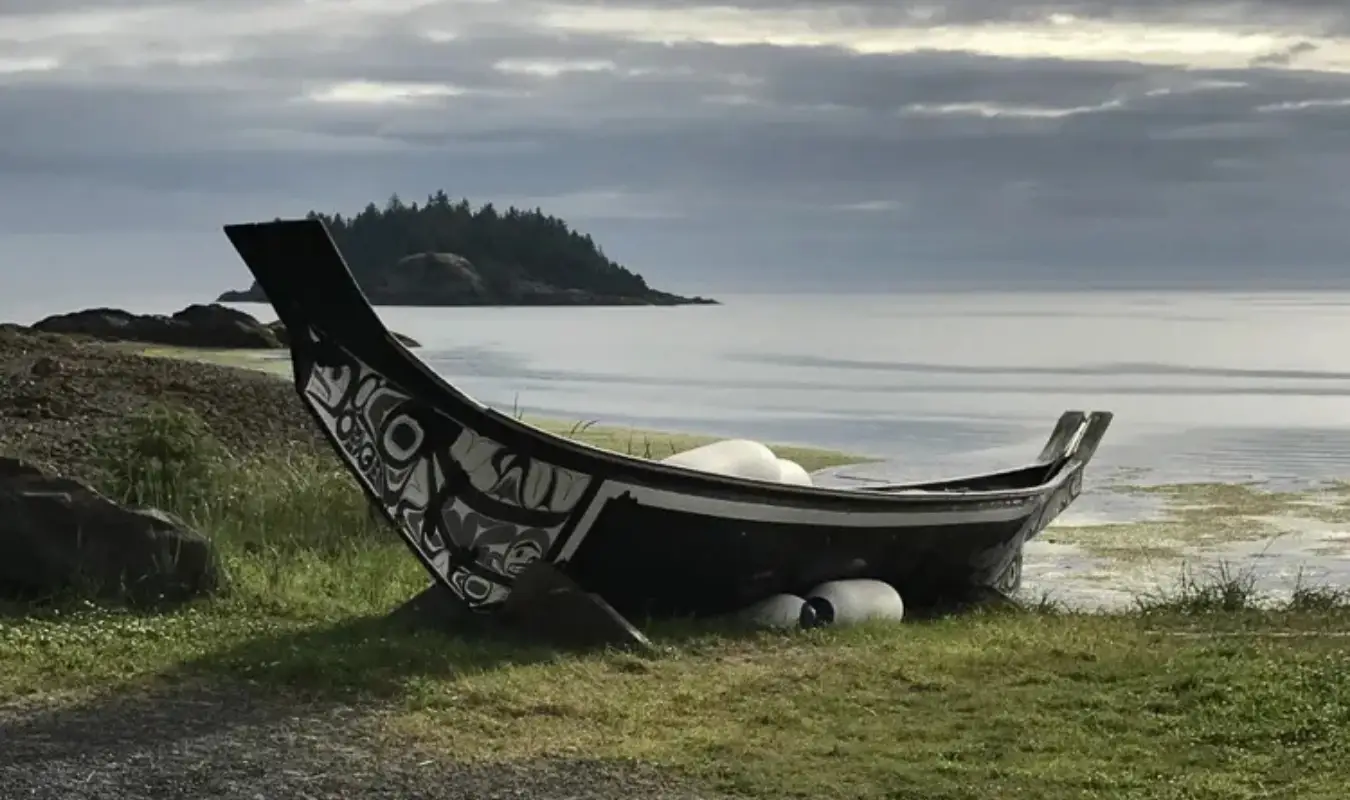
10 Things about our work engaging with First Nations
BCMT’s goal is to engage with and seek concurrence with each coastal First Nation. Much of our work is behind the scenes. Peter Englander chairs the First Nations Engagement Committee.…

Things we publish to inform people. Information on sustainable camping, First Nations, or How-tos can all go here.
BCMT’s goal is to engage with and seek concurrence with each coastal First Nation. Much of our work is behind the scenes. Peter Englander chairs the First Nations Engagement Committee.…
Understanding ocean currents is essential for safe, efficient coastal navigation, yet visualizing them remains one of the most complex tasks of trip planning. Unlike wind or waves, which are relatively…
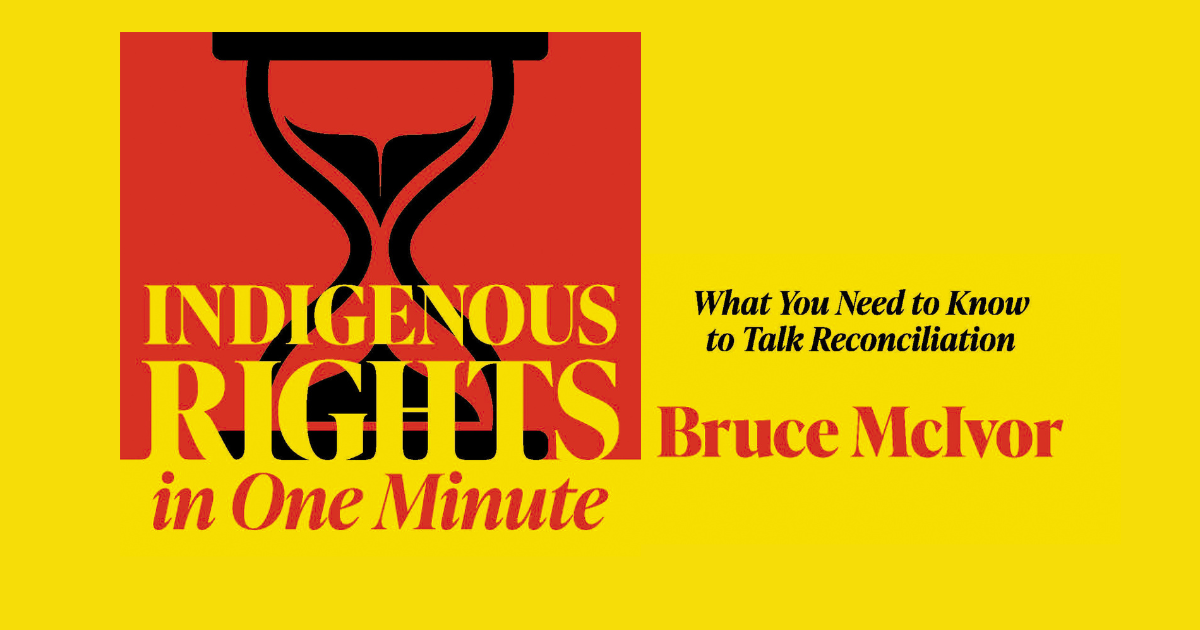
Indigenous Rights in One Minute: What You Need to Know to Talk Reconciliation Author: Bruce McIvor $22.95 Nightwood Editions Why do Indigenous Canadians have different rights than most Canadians? This…
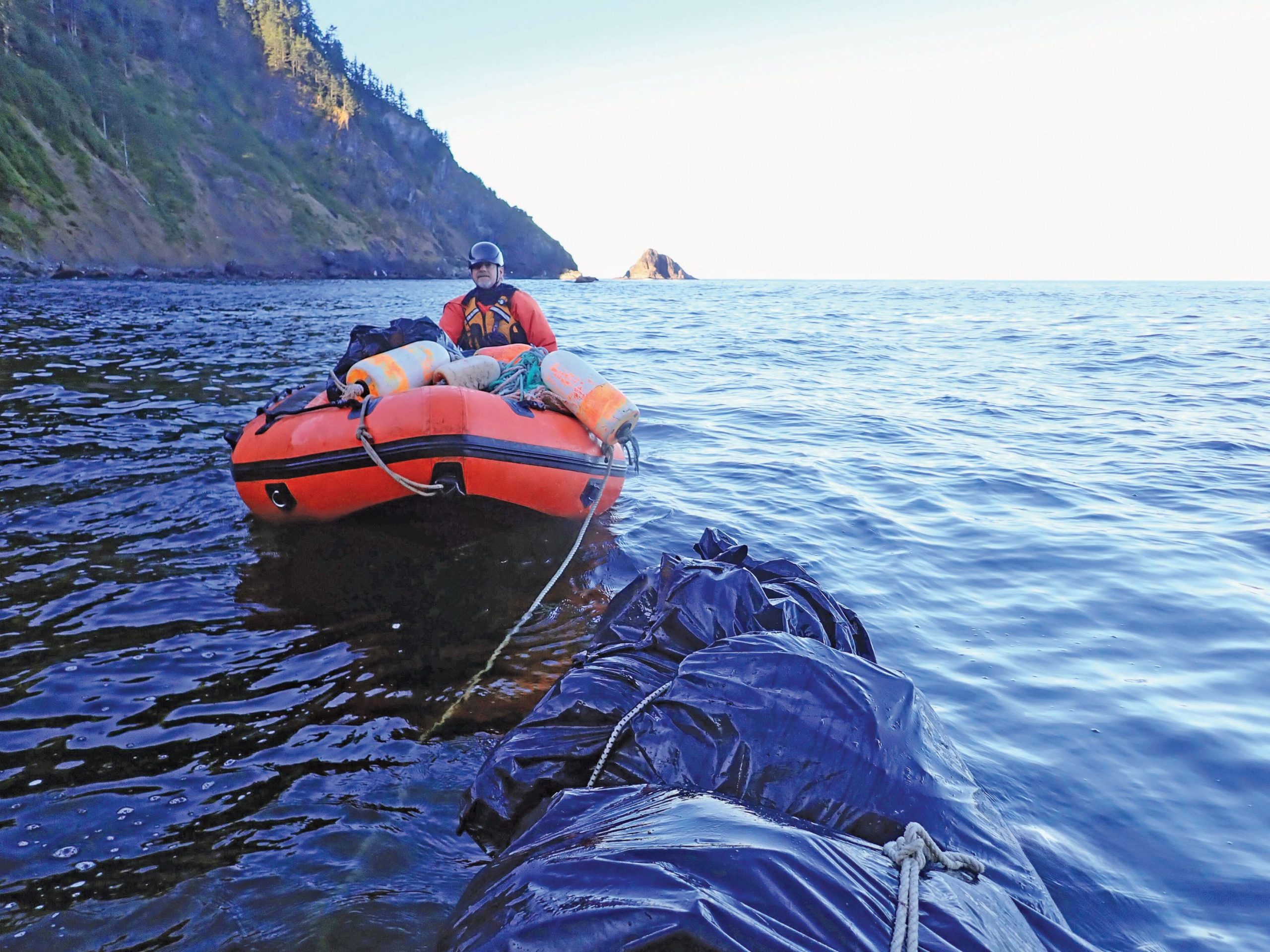
In a shallow, sunlit riverbed, Ken Sund stands shin-deep over his canoe wearing a proud smile. Both hands grip a pick axe, and in his canoe rest two car tires,…

Canada has made a big promise—to protect 30% of its land and water by the year 2030. How IPCAs fit in.
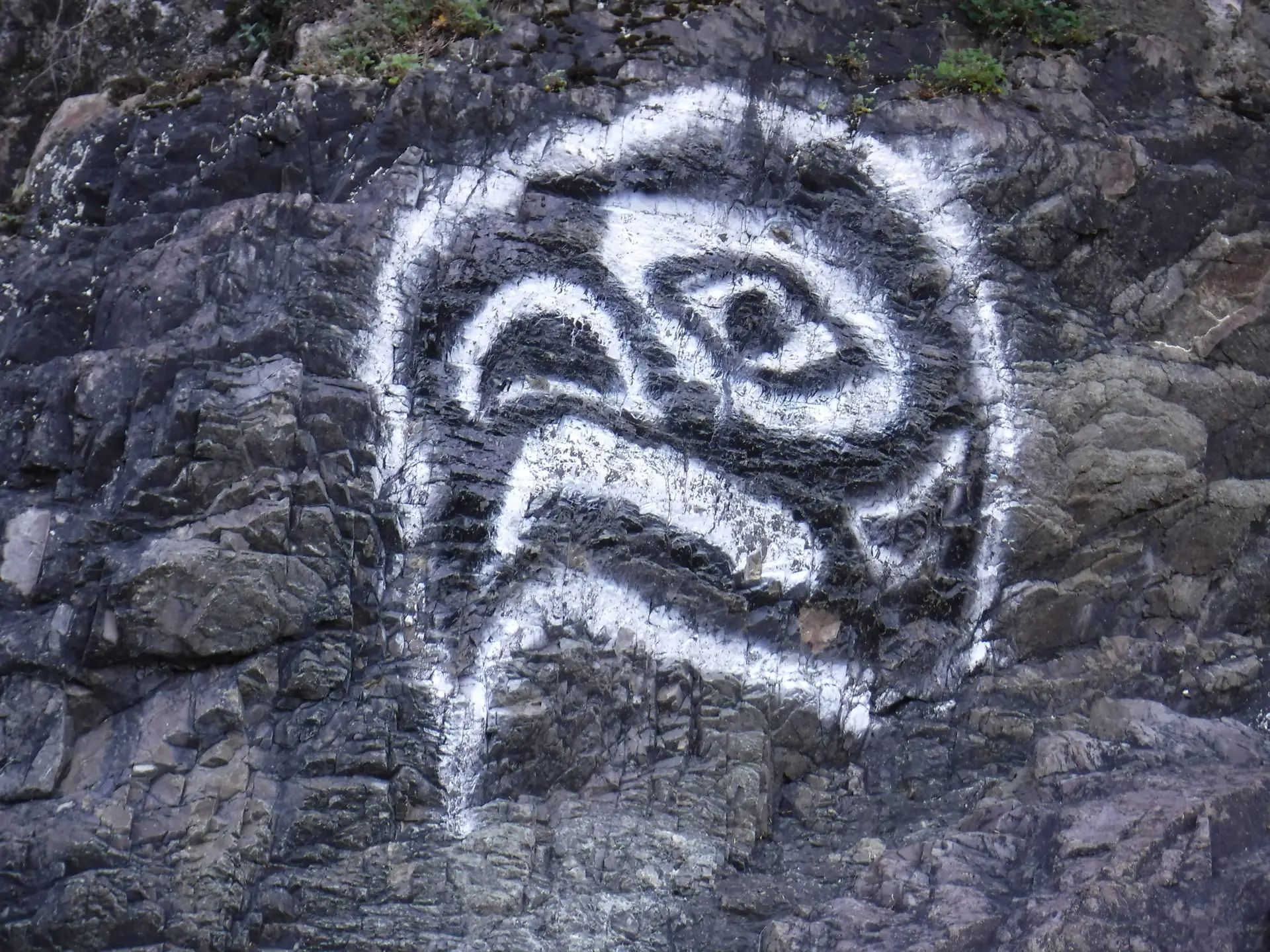
This is not a recounting of a perfect trip, but rather a reminder that anything can happen when we set out to challenge the elements. Our trip was filled with…
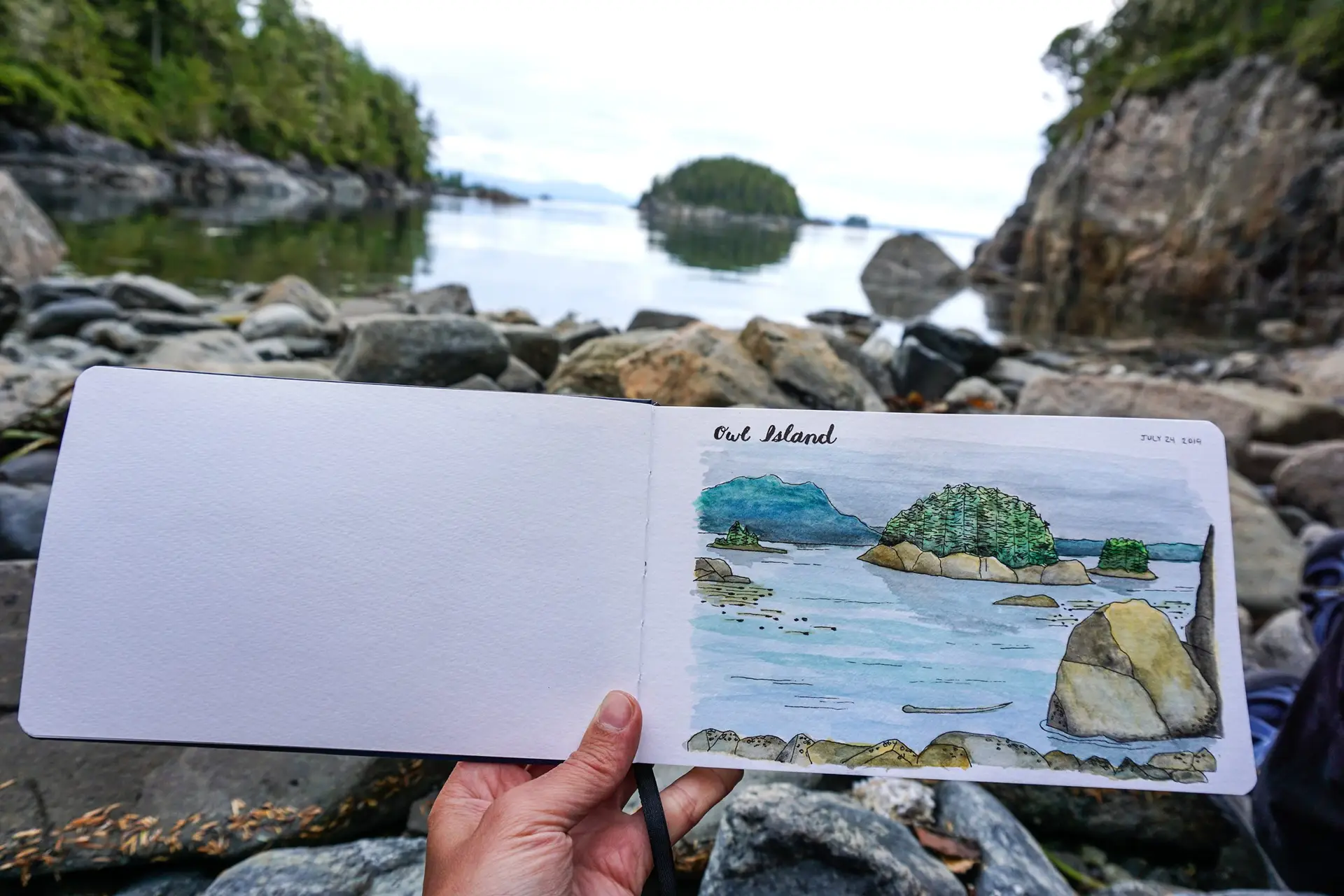
When was the last time you made art, just for yourself? This lingering question inspired me to bring a sketchbook along on a kayak trip.
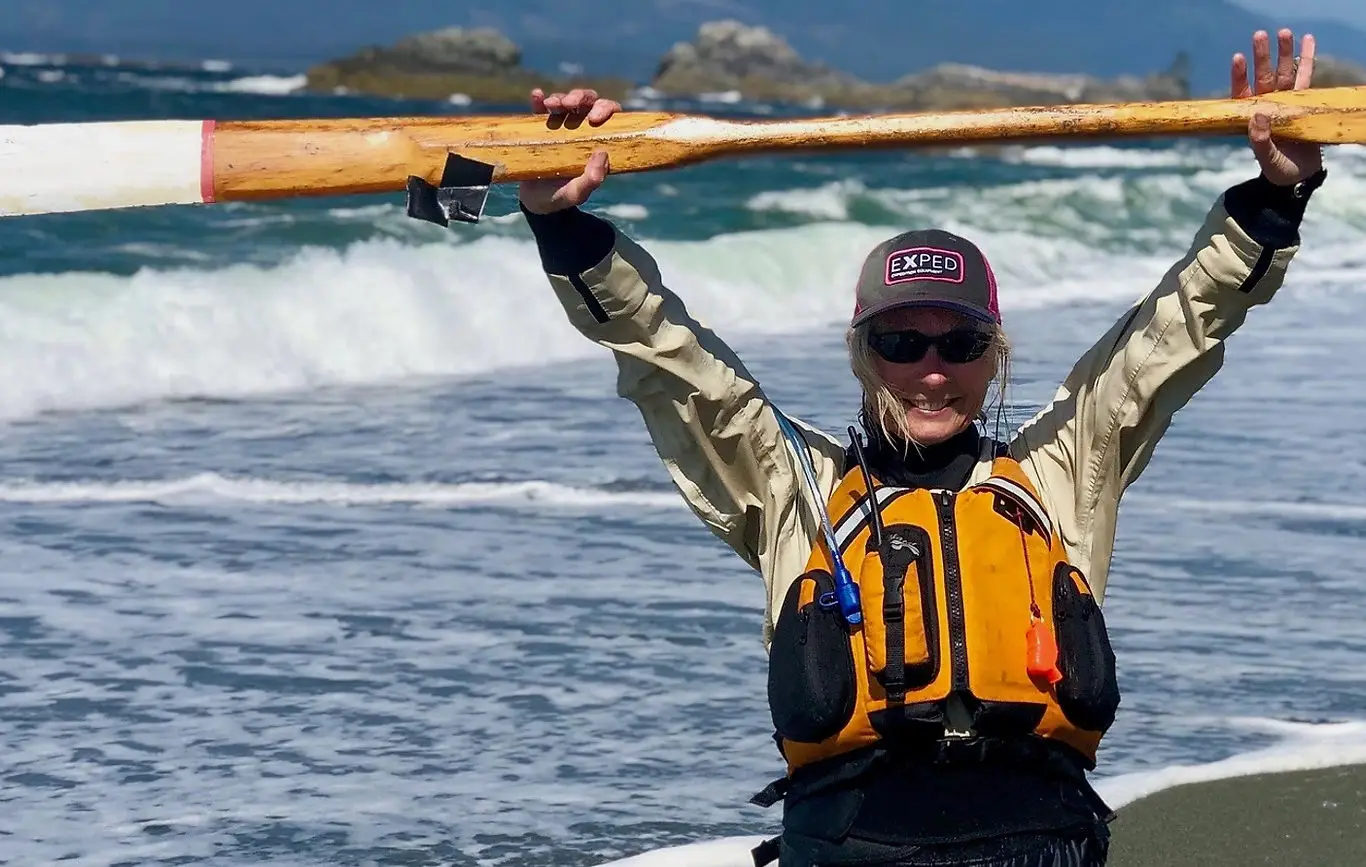
Do you have an experience to share? Susan Conrad shares 5 tips to write a trip report and share with others on the BC Marine Trails Coastal Cafe.
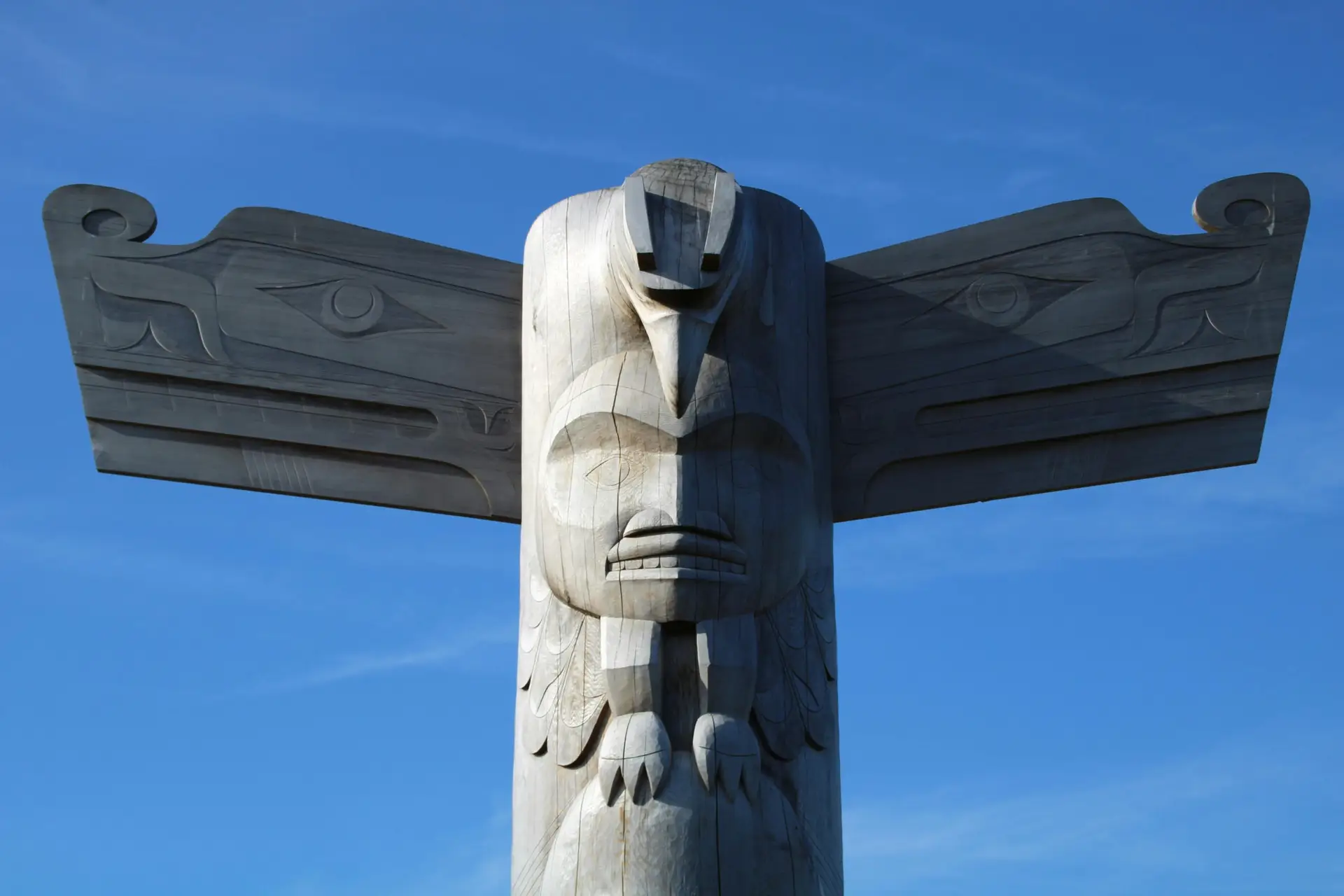
What it means and how you can participate in establishing respectful relationships with British Columbia Coastal Indigenous / First Nations communities