You are currently viewing 10 Things about our work engaging with First Nations

10 Things about our work engaging with First Nations

BCMT’s goal is to engage with and seek concurrence with each coastal First Nation. Much of our work is behind the scenes. Peter Englander chairs the First Nations Engagement Committee. Our First Nations Liaison, Katja Walther, leads the work to establish and maintain relations with coastal First Nations. We seek concurrence for sites within their traditional territories in coordination with the Trails Development Committee. We also act as a conduit between First Nations and recreationists who use our map, passing on visitor guidelines and information about stewardship fees. We seek concurrence for drop zones and clean-ups in collaboration with the Stewardship Committee.

What we do and how we do it.

 1. BCMT has been partnering with First Nations for twelve years. We recognize Aboriginal Rights and Title so that we can continue to respectfully travel coastal waters, and enhance our journeys by learning about the Nations whose Territories we visit.

 2 .Since 2019, BCMT has committed to “concurrence” with each of the over 70 coastal First Nations.

 3. In the BCMT context, “concurrence” refers to permission from a First Nation to carry out one or more specific agreed-upon activities, such as displaying a site on our map, including it on an officially designated BC Marine Trail, conducting site assessments and stewardship activities, or undertaking physical infrastructure work within that Nation’s Traditional Territory.

 4. BCMT uses a site review process that is highly technical (GIS and Database work) yet flexible to meet Nations’ capacities, whatever they may be.

 5. To date, BCMT has received full concurrence from 14 First Nations, with another four in the works.

 6. To date, BCMT has engaged with 50 Coastal First Nations.

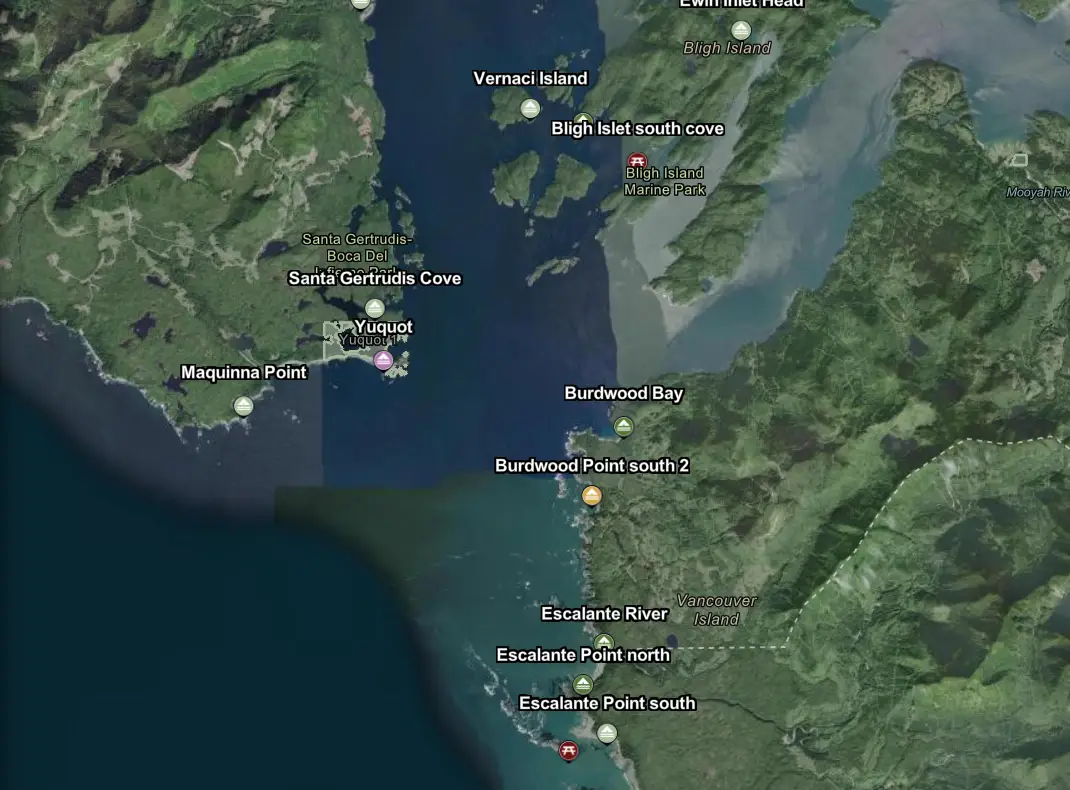
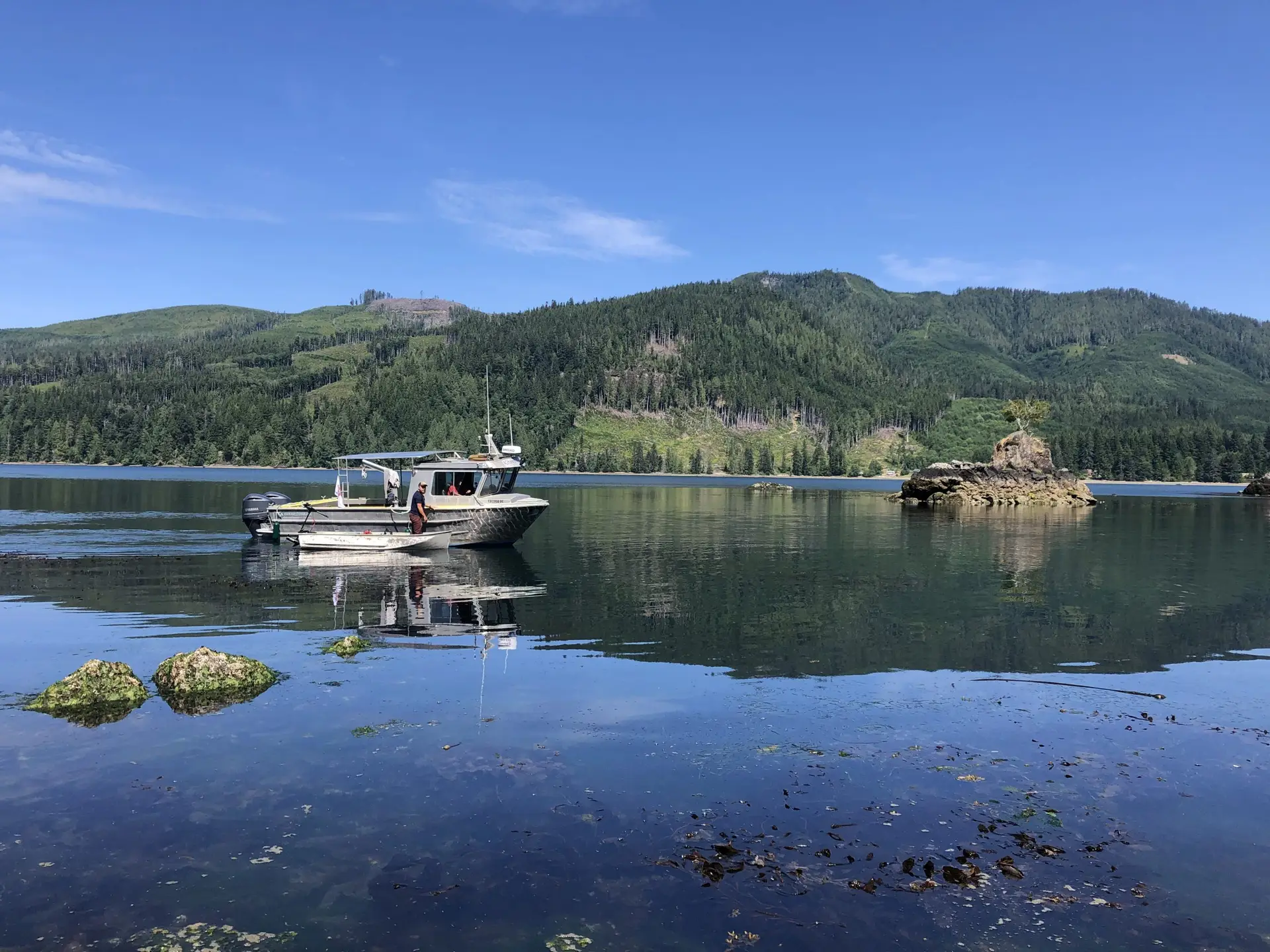
7. Recent collaborations with First Nations include site assessment trips to the Mowachaht Muchalaht Traditional Territory on west Vancouver Island, and to Kwikwasut’inuxw Haxwa’mis Traditional Territory centered on Gilford Island, thanks to a grant from the Rural Economic Diversification Implementation Program.

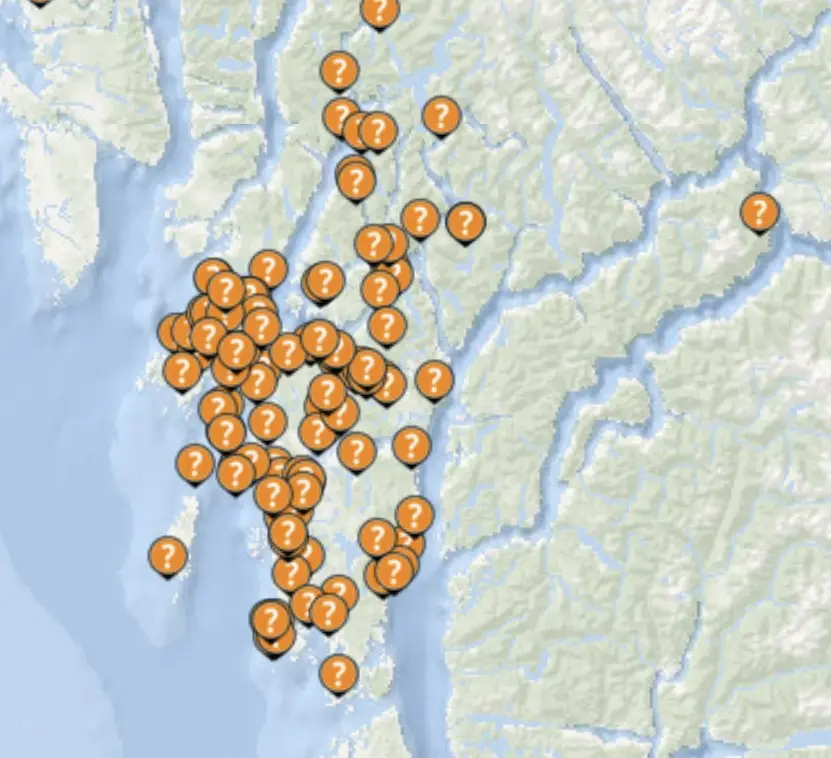
 8. Our work with the Heitsuk First Nations began in 2016 and has so far resulted in 170 new sites. These are shown on our map as “reported” because BCMT has not yet been able to assess them to our customary standards. If you are traveling in the area, we invite you to help assess these sites by submitting a Site Condition Report (SCR).

 9. BCMT has worked with the Council of Haida Nations for many years. Recent efforts have included drafting visitor guidelines and strengthening our agreements for continued work, thanks to a grant from the Real Estate Foundation of BC.

 10. We have also recently partnered with Kitasoo Xai’xais to apply for a grant to support their capacity to continue reviewing sites in their Traditional Territory.

More articles about First Nations issues

Peter Englander

Peter has been whitewater and sea kayaking since the late 80s all over Turtle Island and beyond. Throughout, he was increasingly aware of First Nations’ territories and relationship with the coast, reinforcing his philosophy of living “in relation”. He has since deepened his knowledge, particularly with the Nations along the Inside Passage, where he’s supported First Nations’ environmental activism. He joined the BCMT First Nations Engagement Committee in November, 2022 and is a BCMT Trailblazer. Peter was CFO at the Nantahala Outdoor Center and has served on not-for-profit executive committees for a combined 14 years. He also worked at the City of Portland in economic development for 15 years.
Leave a Reply